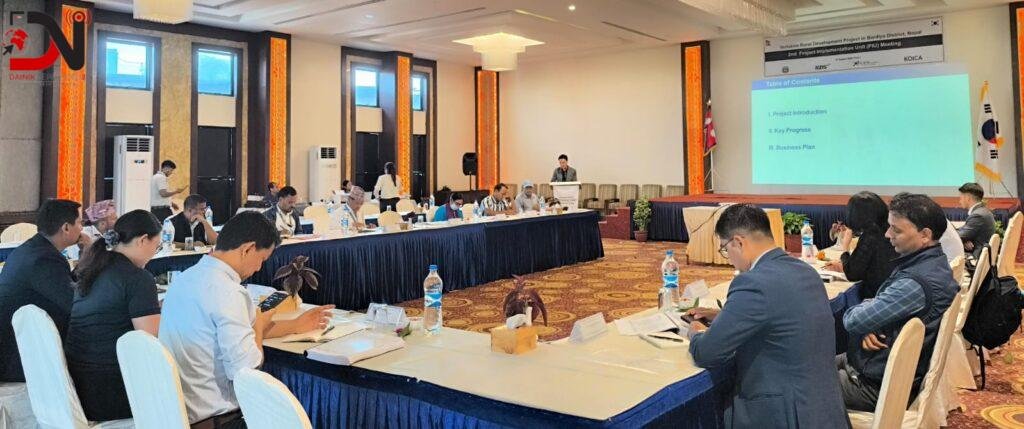




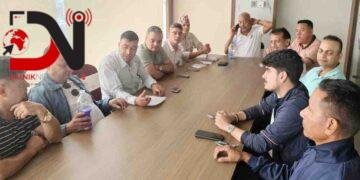






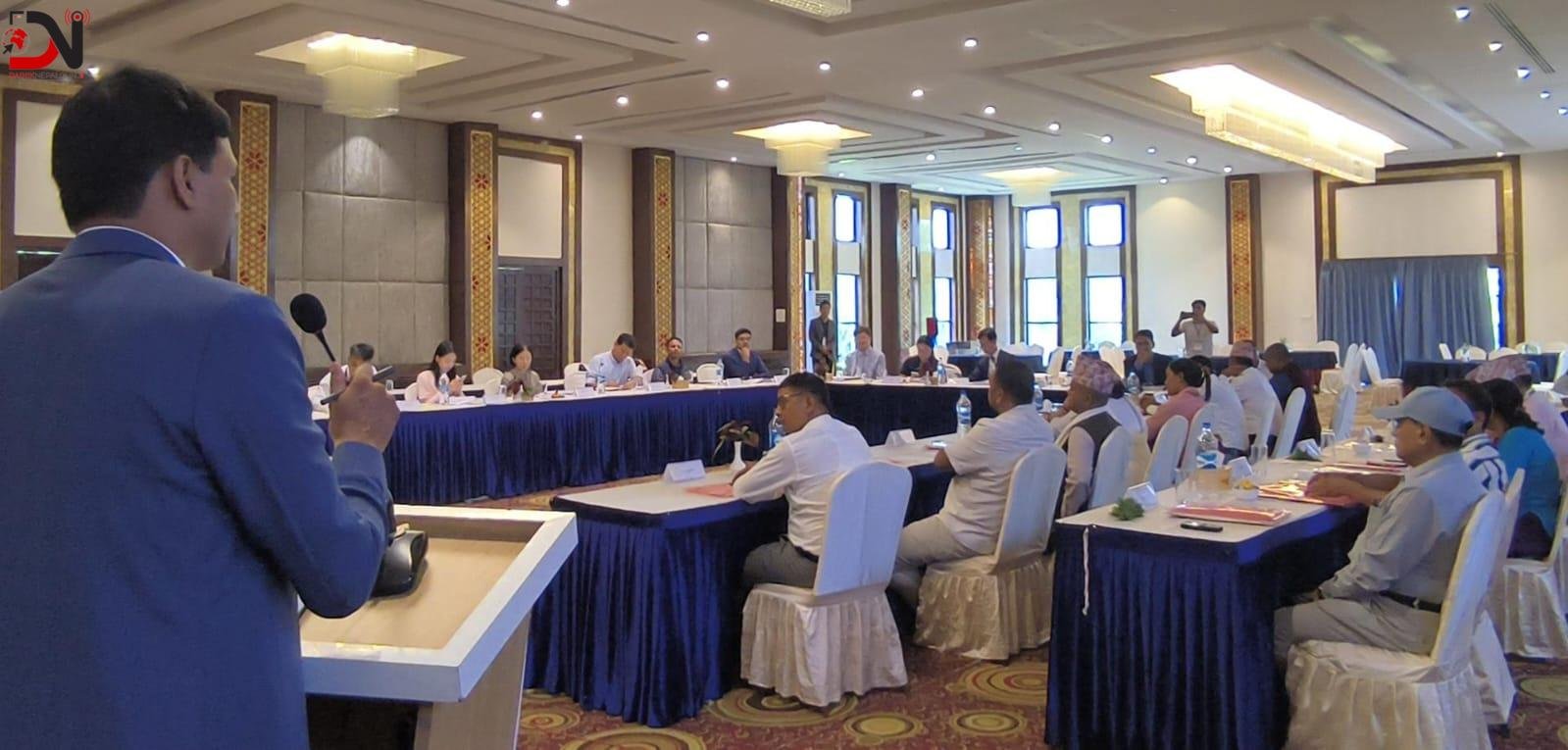
The KOICA Inclusive Rural Development Project in Bardiya District, Nepal (IRDB) successfully held its Joint 2nd Project Implementation Unit (PIU) and Project Steering Committee (PSC) Meetings on August 27, 2026. The meetings marked an important milestone with the endorsement of 20 Locally Initiated Project (LIP) Business Plans for implementation across Bardiya District.
Implemented from 2024 to 2029, the IRDB is a locally led and participatory rural development initiative supported by the Korea International Cooperation Agency (KOICA) in partnership with the Government of Nepal. The project promotes inclusive and sustainable rural transformation through agricultural and eco-tourism value chain development, capacity strengthening of local governments and cooperatives, and locally identified development interventions.
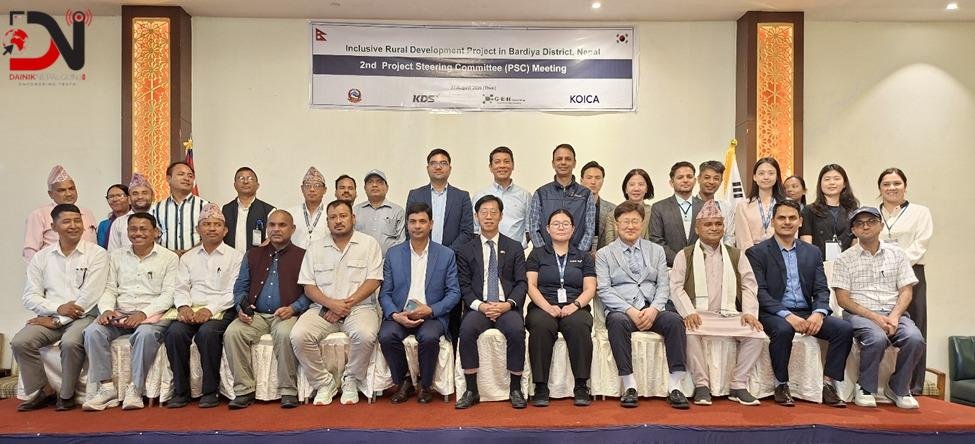
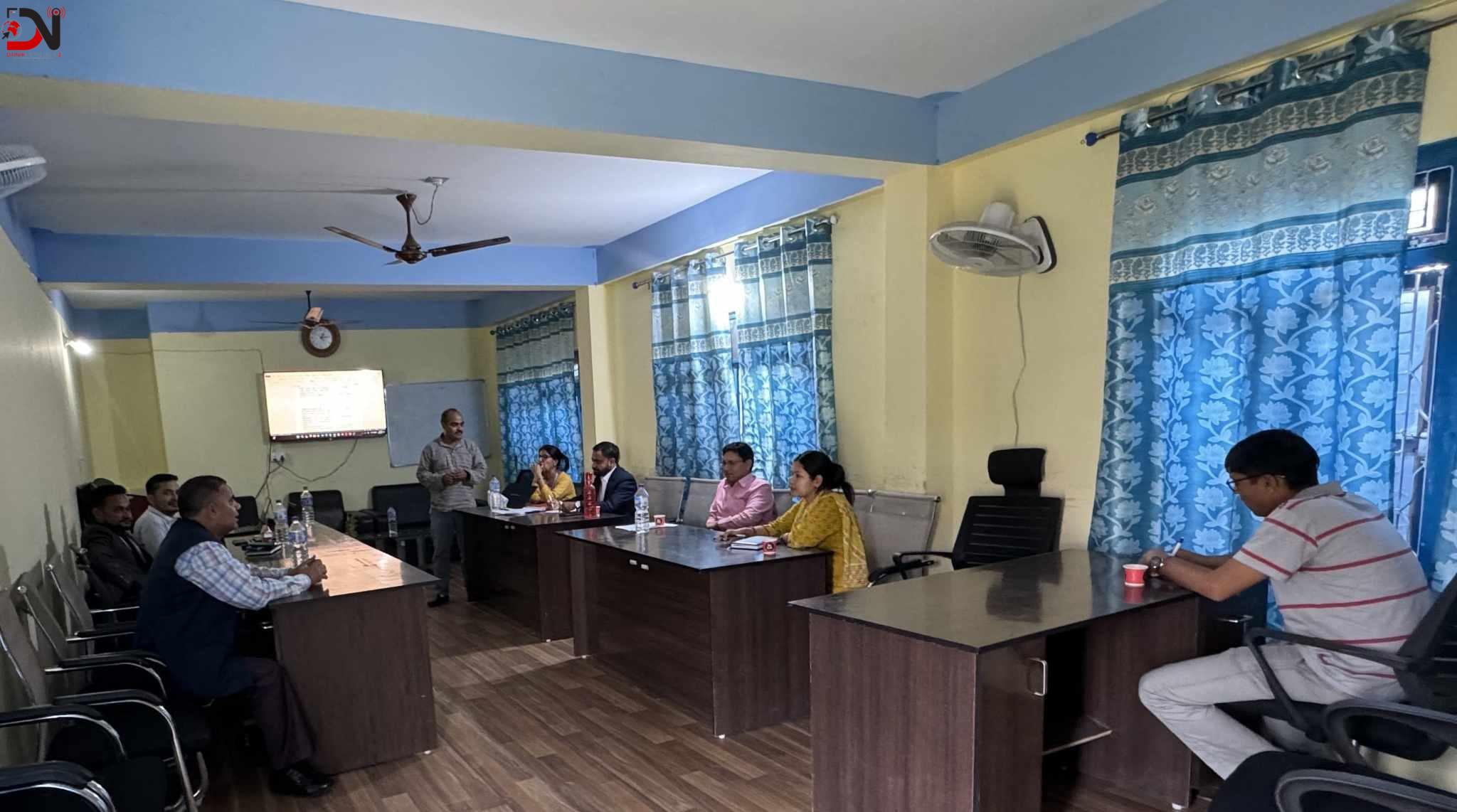
The meetings brought together representatives from the Ministry of Land Management, Cooperatives, Federal Affairs and General Administration (MoLMCFAGA), KOICA Nepal Office, the eight participating local governments of Bardiya District, and the Project Management Consultant (PMC), including the Korea Institute for Development Strategy (KDS) and GEH Consulting. The PIU meeting was held in the first session, followed by the PSC meeting.

The PIU meeting was chaired by Mr. Hom Nath Kafle, Under Secretary of MoLMCFAGA, and co-chaired by Ms. Yeo Sujin, Deputy Country Director of KOICA Nepal. The 20 LIP Business Plans were reviewed focusing on technical feasibility, implementation arrangements, resource requirements, and alignment with local priorities. Following the review and stakeholder feedback, the PIU recommended all 20 Business Plans to the PSC for endorsement. The PIU also emphasized strong local government ownership, effective coordination, and fulfillment of agreed roles and responsibilities for successful implementation.
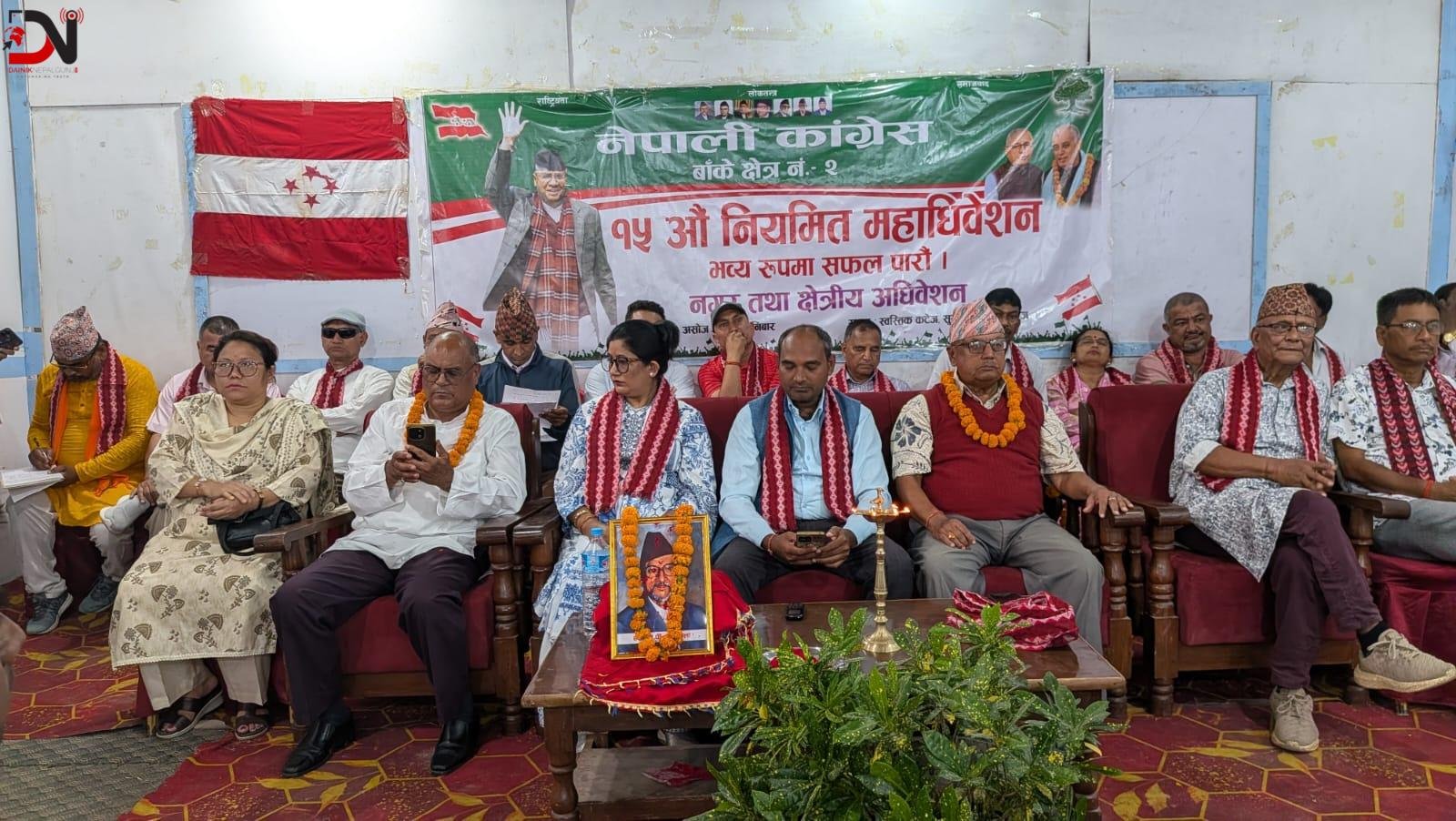
The PSC meeting was chaired by Mr. Dilaram Panthi, Joint Secretary of MoLMCFAGA, and co-chaired by Mr. Kong Mooheon, Country Director of KOICA Nepal. Representatives from the Ministry of Finance, KOICA Nepal, Mayors and Chairpersons of the eight participating local governments, and the PMC participated in the meeting.
During the PSC meeting, the PMC presented the overall progress of the IRDB and the process followed to develop and finalize the Business Plans. The plans were developed through a participatory and consultative process, including technical reviews, field assessments, consultations with cooperatives and local governments, and incorporation of stakeholder feedback.
Representatives of the eight participating local governments presented their respective LIP Business Plans, highlighting the proposed interventions, implementation arrangements, and expected benefits for local communities. The presentations reflected the strong ownership of local governments in identifying and advancing interventions based on local priorities and opportunities.

Following the presentations and discussions, the PSC endorsed all 20 LIP Business Plans, paving the way for their implementation in coordination with local governments, cooperatives, and other relevant stakeholders.
Speaking at the meeting, KOICA Country Director and PSC Co-chairperson Mr. Kong Mooheon highlighted the endorsement of the Business Plans as a significant milestone resulting from the collective efforts of KOICA, the Government of Nepal, local governments, the PMC, and other stakeholders. He emphasized that the endorsed Business Plans provide a clear foundation for moving from planning to implementation and called for continued coordination, clear roles and responsibilities, and effective communication to ensure successful implementation and sustainable benefits for local communities.
PSC Chairperson Mr. Dilaram Panthi, Joint Secretary of MoLMCFAGA, appreciated KOICA’s continued support for rural transformation and local economic development in Bardiya. He emphasized that the endorsed Business Plans should now guide local governments in translating identified priorities into concrete results and called for strong ownership, timely implementation, and quality delivery of the planned interventions. He also highlighted Bardiya’s potential for agricultural development and eco-tourism and stressed the importance of ensuring that the Business Plans generate tangible economic opportunities and sustainable benefits for local communities.
The endorsement of the 20 LIP Business Plans marks a significant step toward translating locally identified priorities into concrete development interventions and advancing inclusive, equitable, and sustainable rural development in Bardiya District.