







By DN correspondent
The Korea International Cooperation Agency (KOICA), in partnership with the Ministry of Federal Affairs and General Administration (MoFAGA), has officially launched the Inclusive Rural Development Project (IRDP) in Bardiya District, aiming to boost rural livelihoods through inclusive and sustainable growth.
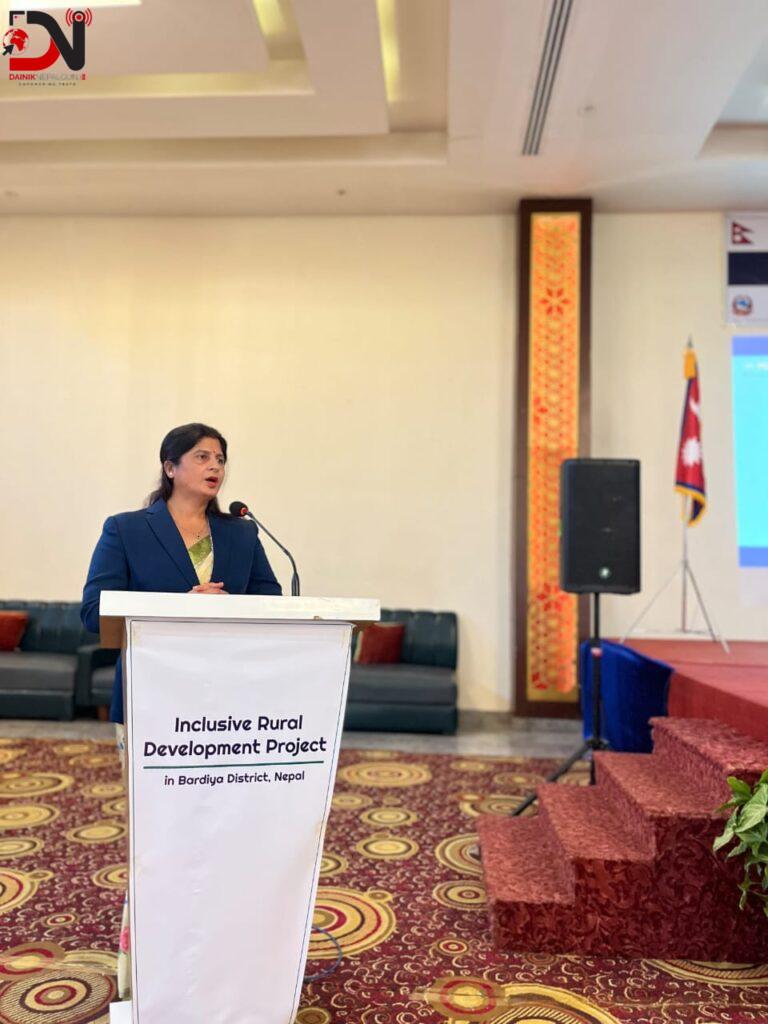
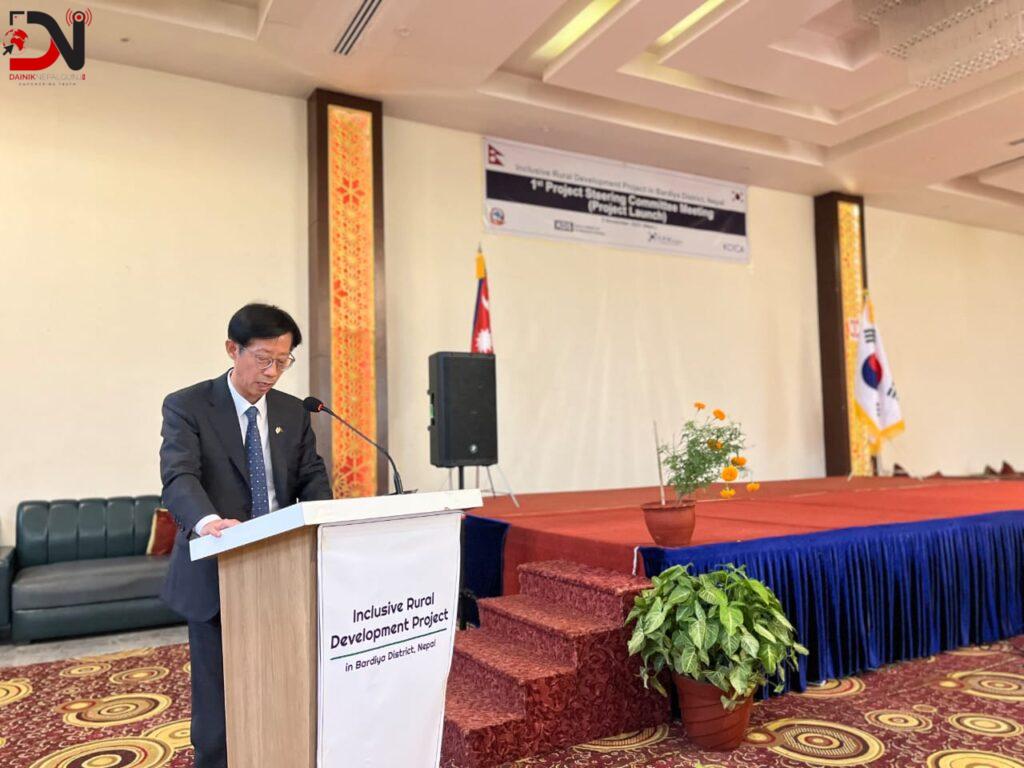
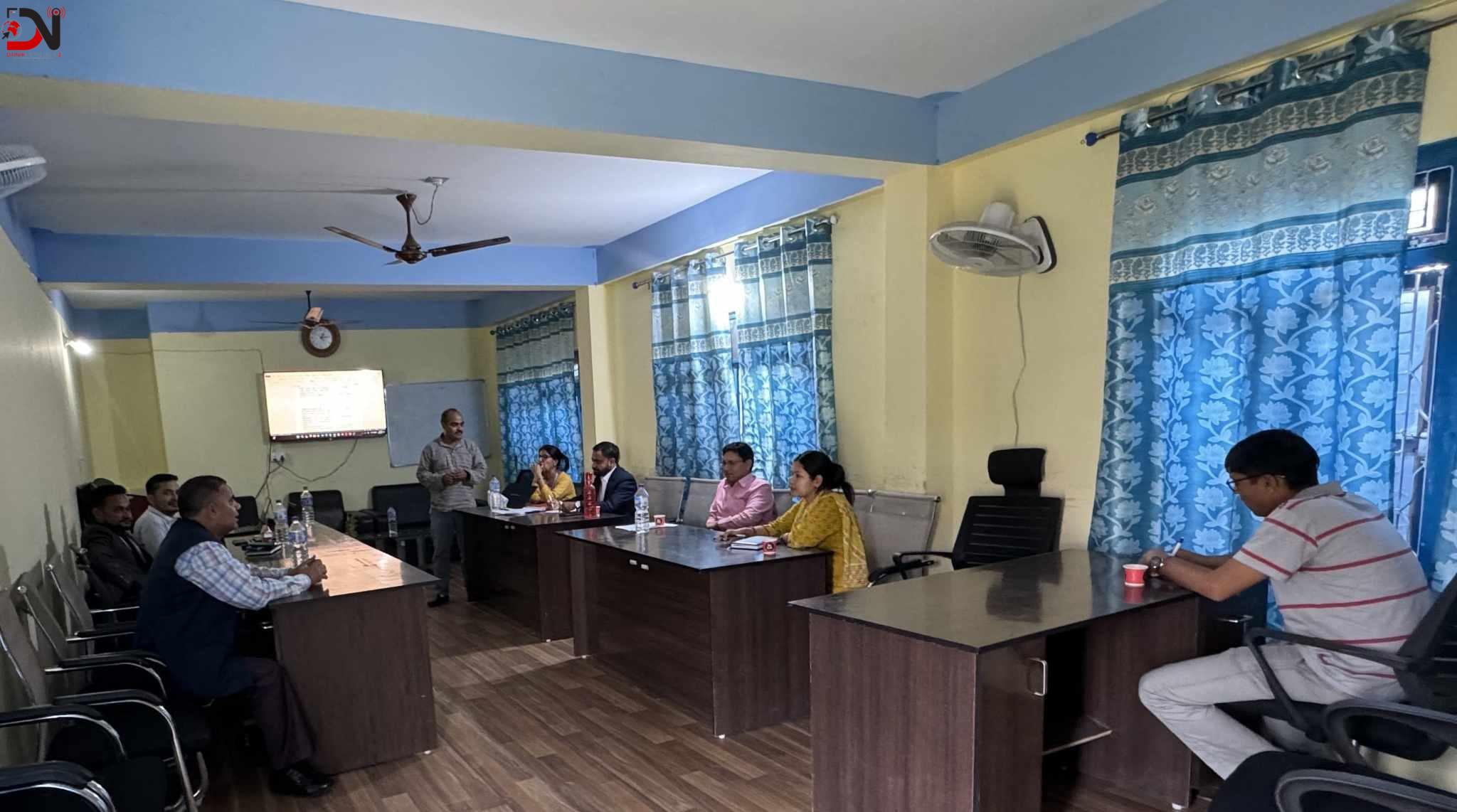
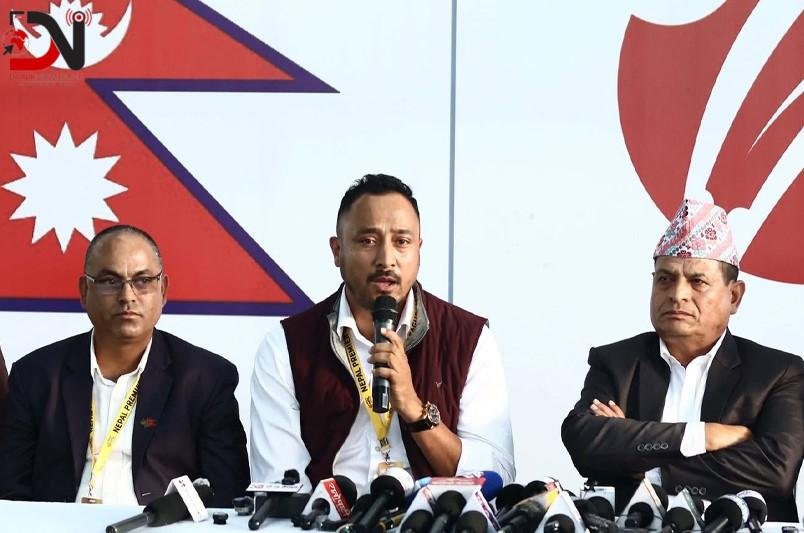
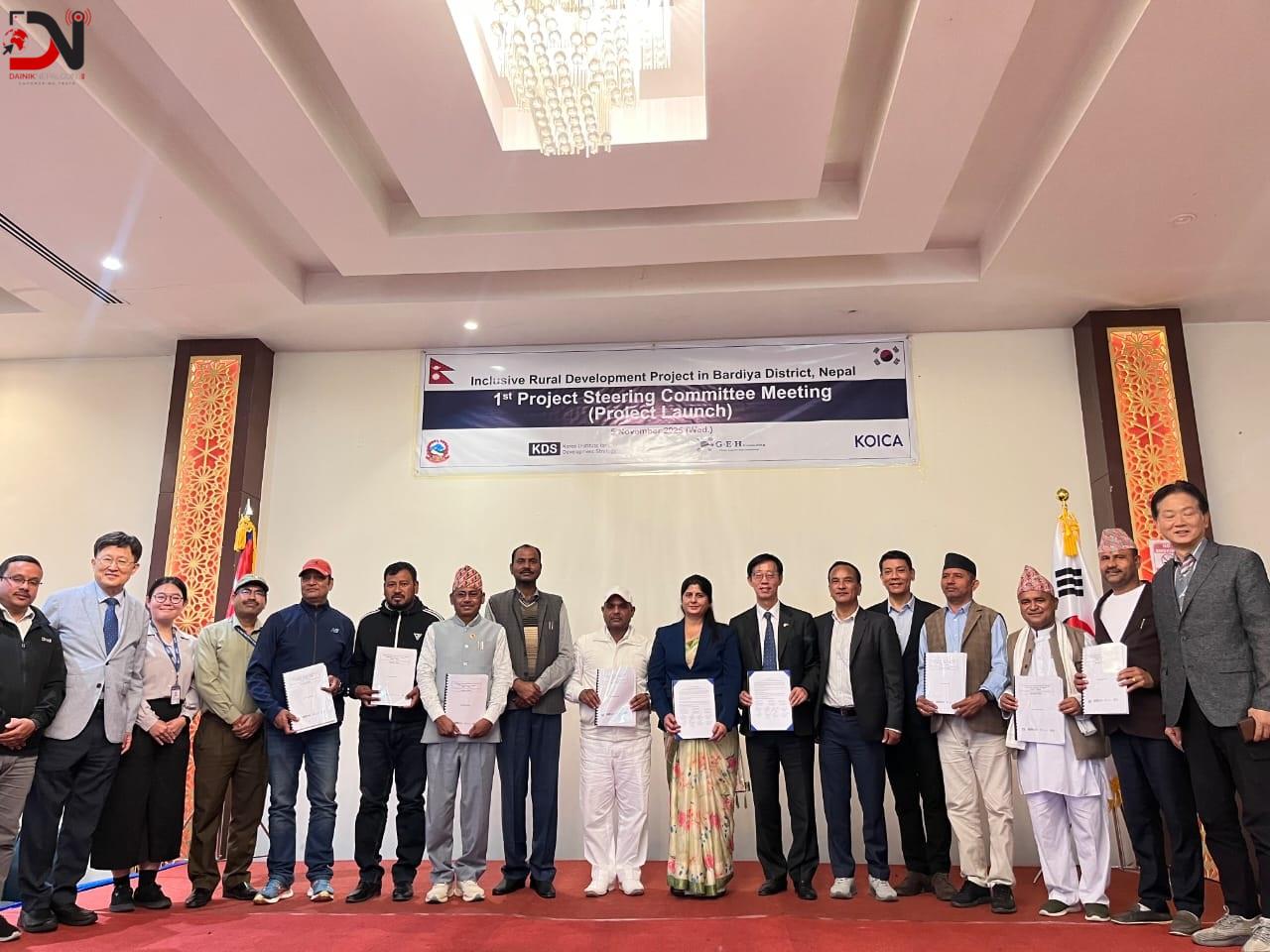
The five-year project (2024–2029), with a total budget of USD 8 million, was formally endorsed during the first Project Steering Committee (PSC) meeting held on Wednesday. The meeting, chaired by MoFAGA Secretary Nita Pokhrel Aryal and co-chaired by KOICA Country Director Kong Mooheon, marked the operational beginning of the ambitious initiative.

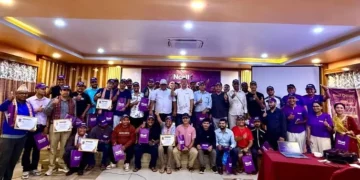
Also present were chiefs of eight local governments of Bardiya, representatives from 19 cooperatives, officials from Bardiya National Park, and members of the Project Management Consultant (PMC) team from the Korea Institute for Development Strategy (KDS).
During the meeting, the PMC outlined the project’s objectives and strategies, including a Korean Invitational Training Plan aimed at enhancing local capacity and knowledge exchange. Municipal mayors presented their Local Initiatives Projects (LIPs), reaffirming their commitment to ensuring inclusive and community-driven implementation. Bardiya National Park representatives also shared plans to promote eco-tourism for livelihood enhancement and environmental conservation.

KOICA Country Director Kong Mooheon expressed deep appreciation for Nepal’s continued partnership, stating that the IRDP symbolizes the shared vision of both nations to improve rural livelihoods through inclusivity and sustainability. He highlighted project components focusing on dairy production, crop farming, agricultural machinery, compost production, and fish processing, with particular emphasis on empowering small farmers, women, and marginalized communities.
PSC Chair Nita Pokhrel Aryal commended KOICA’s longstanding support in Nepal’s development journey, especially in the fields of health, education, agriculture, and capacity building. She reaffirmed the Government of Nepal’s commitment to strengthening this partnership to promote resilience, prosperity, and sustainable rural development.
Similarly, Member Secretary and Under Secretary of MoFAGA, Praladh Karki, acknowledged Korea’s valuable contribution to Nepal’s socio-economic progress, describing the endorsed Action Plan as a reflection of shared dedication and future collaboration.
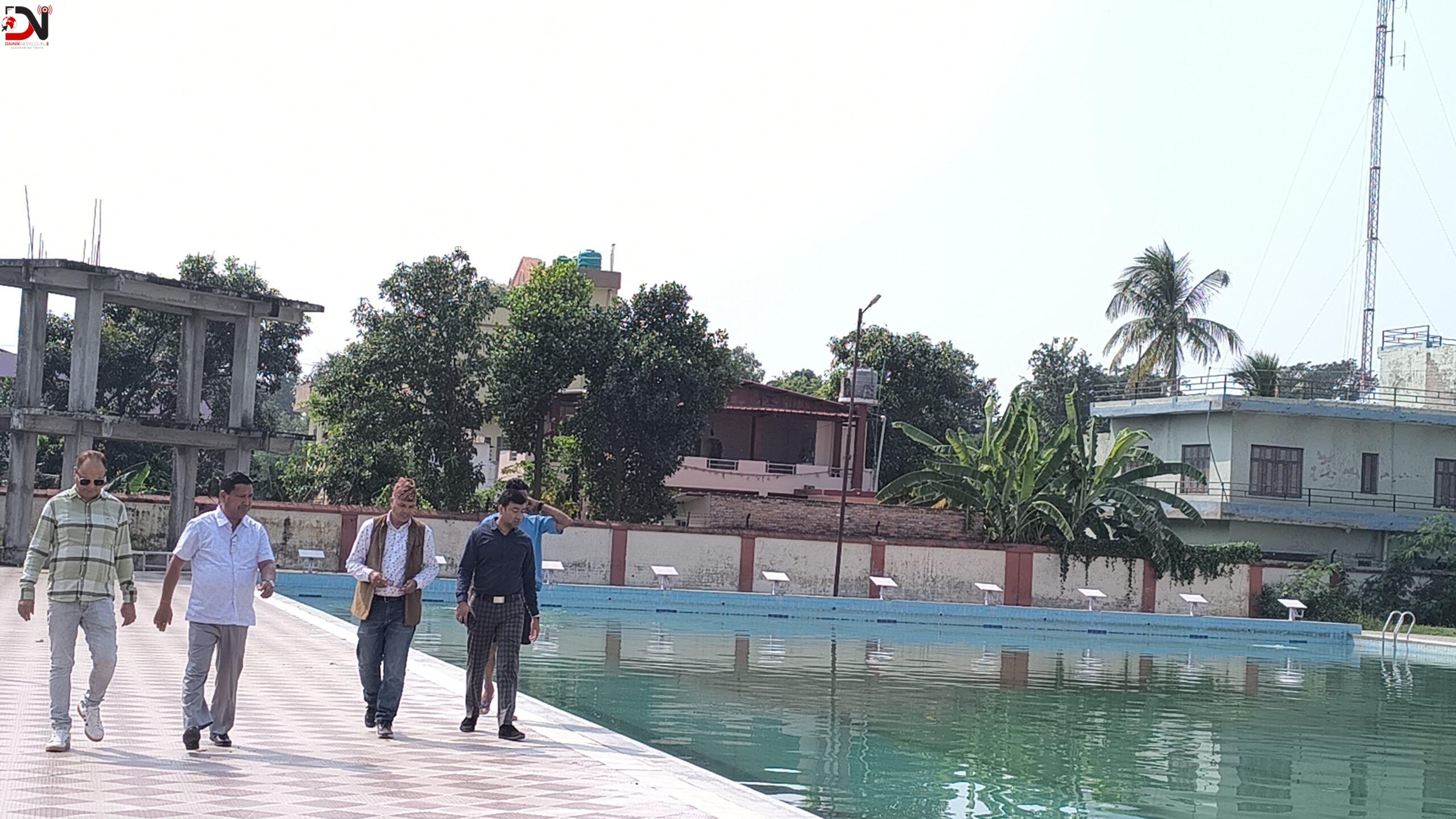
Prior to the formal meeting, the KOICA and MoFAGA delegation visited local cooperatives — including the Kedareshwor Dairy Cooperative in Bansgadhi and the Kalpabrikshya Fish Processing Cooperative in Badhaiyatal — where they observed successful community-led initiatives that highlight the potential for cooperative-driven rural economic transformation.
The Inclusive Rural Development Project in Bardiya is expected to serve as a model for strengthening local economies, promoting inclusive growth, and fostering sustainable livelihoods across rural Nepal.